
NEWS

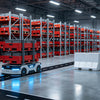
AGV vs AMR: Navigation, Differences & Use Cases Explained Guide
What Is the Difference Between AGV and AMR in Industrial Robotics and Warehouse Automation? Introduction: AGV and AMR in Modern Industrial Automation In today’s rapidly evolving world of smart manufacturing, warehouse automation, and industrial logistics, both AGVs (Automated Guided Vehicles) and AMRs (Autonomous Mobile Robots) play a critical role in material handling and intralogistics. As companies move toward Industry 4.0, understanding the differences between AGVs and AMRs is essential...

Robotic Imaging & 3D Robot Vision Guide for Industrial Automation
How Does 3D Robot Vision Work in Modern Robotic Imaging and Industrial Automation Systems? Introduction: The Rise of 3D Robot Vision in Automation In modern industrial automation, smart manufacturing, and AI robotics, robotic imaging and 3D robot vision systems have become essential technologies for enabling machines to perceive and understand their environment. Unlike traditional 2D machine vision systems, 3D robot vision provides spatial awareness, allowing robots to detect depth, shape,...

Semiconductor Chips in ToF Technology Modern Depth Sensing Guide
How Do Semiconductor Chips Enable ToF Technology in Modern 3D Sensing Systems? Introduction: The Foundation of Modern Sensing Technology In today’s rapidly evolving world of AI vision systems, robotics, autonomous driving, and industrial automation, semiconductor chips have become the core driving force behind advanced sensing technologies—especially Time-of-Flight (ToF) technology. From smartphones and smart cameras to industrial robots and LiDAR systems, semiconductor-based ToF chips enable machines to perceive depth, distance,...

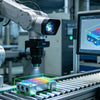
Vision-Guided Robotics Explained Systems & Industrial Applications
How Does Vision-Guided Robotics Work in Modern Industrial Automation Systems? Introduction: What Is Vision-Guided Robotics? In modern industrial automation, smart manufacturing, and warehouse logistics, vision-guided robotics (VGR) has become a core enabling technology. It allows robots to 'see,' interpret their environment, and make intelligent decisions in real time. Unlike traditional industrial robots that rely on fixed programming and rigid positioning, vision-guided robots use AI vision systems, cameras, depth sensors,...


Please upload banner from store admin blog pages