
BrainCo BCI Technology: Building the Future of Embodied AI Robots
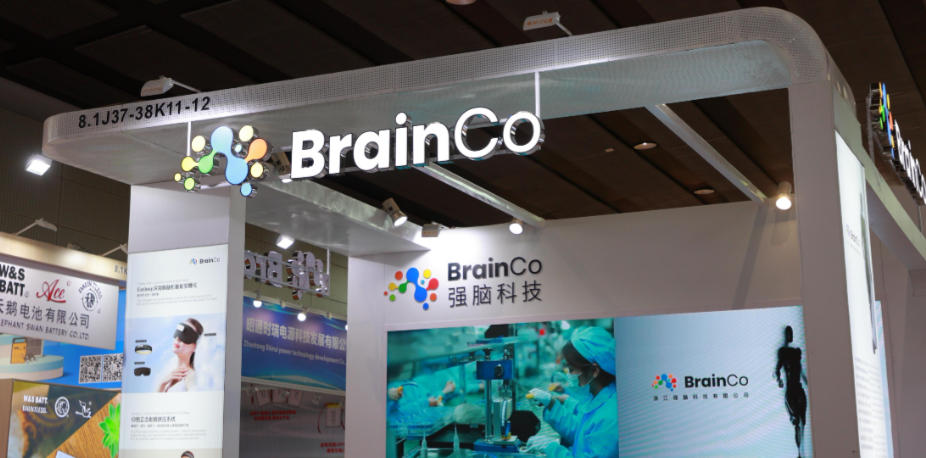
How Is BrainCo Using Brain Computer Interface Technology to Build Smarter Embodied AI Robots?
With the rapid advancement of artificial intelligence (AI), robotics, and brain-computer interface (BCI) technology, the global robotics industry is entering a new stage of development driven by embodied artificial intelligence (Embodied AI). Unlike traditional AI systems that mainly exist in digital environments, embodied AI robots combine intelligent algorithms, robotic hardware, perception systems, and autonomous control technologies to interact with the physical world.
In recent years, brain computer interface technology, AI-powered robots, and human-machine interaction systems have become important research directions in the future of robotics. By enabling direct communication between human neural signals and machines, BCI technology provides a new approach for creating more natural, intuitive, and efficient robot control systems.
During the 2026 World Artificial Intelligence Conference (WAIC 2026), embodied intelligence was highlighted for the first time as one of the two major strategic technology tracks alongside AI computing infrastructure. The event brought together more than 200 companies showcasing innovations in humanoid robots, industrial robots, quadruped robots, robotic components, intelligent robot systems, and embodied AI models.
At WAIC 2026, BrainCo will showcase its brain-controlled robot training platform and advanced robot data acquisition solutions for the first time, demonstrating how brain-computer interface technology and embodied AI robots can work together to create a new generation of human-centered intelligent machines.
By converting human intentions into robotic commands through neural signal analysis, BrainCo is exploring a new interaction model where humans and robots can communicate more naturally.
As an innovative company focused on brain computer interfaces, artificial intelligence, and intelligent robotics, BrainCo combines neuroscience research, AI algorithms, neural signal processing, and robotic control technologies to transform robots from traditional command-based machines into intelligent systems capable of understanding human intentions and performing complex tasks.
What Is BrainCo? Exploring the Future of Brain-Controlled AI Robots
BrainCo is a technology company specializing in brain-computer interface technology, artificial intelligence applications, and human-machine interaction solutions.
The company focuses on developing technologies that connect human neural signals with intelligent devices, creating more direct communication channels between people and machines.
Traditional robots typically rely on:
- Remote controllers
- Touch interfaces
- Voice commands
- Pre-programmed instructions
Although these methods are widely used today, they often require humans to actively provide commands step by step. Future intelligent robots require more advanced interaction methods that allow machines to better understand human intentions and cooperate naturally with users.
This is where brain computer interface technology becomes increasingly important.
A BCI system collects and analyzes human brain signals, usually through EEG (electroencephalography) technology, and converts neural activity patterns into digital commands that machines can understand.
Through AI-based neural signal processing, BCI technology can support applications such as:
- Human intention recognition
- Brain signal acquisition
- Intelligent device control
- Robot movement control
- Human-robot collaboration
- Assistive technology applications
By integrating BCI technology with embodied AI robotics, BrainCo is exploring a future where robots are not only controlled by external commands but can also respond directly to human intentions.
This development could significantly improve interaction efficiency in areas including:
- Healthcare robotics
- Rehabilitation systems
- Industrial collaborative robots
- Humanoid robots
- Smart service robots
- Special environment robots
How Does Brain Computer Interface Technology Work With Embodied AI Robots?
The goal of embodied AI robots is to create machines that can perceive their surroundings, understand information, make decisions, and perform physical actions.
A traditional robot mainly depends on sensors, software programming, and external instructions. However, integrating brain-computer interface technology introduces another important information channel: human neural signals.
Instead of controlling robots through physical devices, BCI technology enables users to communicate with machines through brain activity.
The basic process includes:
1. Brain Signal Acquisition
BCI systems collect neural signals generated by human brain activity through specialized sensors.
These signals contain information related to:
- Movement intentions
- Cognitive responses
- User commands
- Interaction patterns
2. AI-Based Signal Processing
Because brain signals are complex and constantly changing, artificial intelligence algorithms are required to analyze and interpret neural information.
Machine learning models can perform:
- Signal classification
- Feature extraction
- Pattern recognition
- Intention prediction
3. Robot Command Execution
After processing neural signals, the system converts recognized intentions into commands that robots can execute.
This enables robots to perform actions based on human instructions, creating a more direct form of human robot interaction.
Compared with traditional control methods, brain-controlled robots have the potential to provide more intuitive experiences, especially in applications where hands-free operation or precise intention recognition is required.

WAIC 2026: BrainCo Showcases Brain-Controlled Robot Training Platform
During WAIC 2026, BrainCo will present its Brain-Controlled Robot Training Platform, demonstrating the integration of brain computer interface technology, robot learning systems, and embodied AI robotics.
The platform focuses on capturing human movement intentions and converting them into executable robot commands.
By establishing a connection between human thoughts and robot actions, BrainCo is exploring new possibilities for future intelligent robot control.
Compared with traditional robot programming methods, brain-controlled robot systems offer several advantages:
- More natural interaction methods
- Reduced dependence on physical controllers
- Faster human instruction transfer
- Improved human-machine collaboration
This technology direction may become an important foundation for future AI-powered humanoid robots, rehabilitation robots, and intelligent service robots.
Potential applications include:
Intelligent Rehabilitation Robots
Brain-controlled robotic systems may help patients interact with rehabilitation equipment through more natural control methods.
By recognizing user intentions, robots can provide personalized assistance during rehabilitation training.
Assistive Robots
For people requiring additional support, BCI-based robots could provide new ways to control assistive devices and improve independence.
Industrial Collaborative Robots
In manufacturing environments, brain-controlled robot systems could enhance cooperation between workers and machines by allowing faster and more intuitive instructions.
Humanoid Robot Interaction
Future humanoid robots may use BCI technology to achieve more natural communication between humans and machines, creating advanced human-robot collaboration scenarios.
BrainCo Robot Data Acquisition Solutions: Building the Foundation for AI Robot Learning
Beyond brain-controlled robot technology, BrainCo is also focusing on robot data acquisition solutions designed for the development of embodied intelligence.
For future AI robots and general-purpose robots, high-quality training data is one of the most important factors determining learning capability.
Unlike traditional automation systems that rely mainly on fixed programming, next-generation robots need to learn from real-world experiences.
Robot learning requires large-scale data from multiple sources, including:
- Human demonstration data
- Real robot operation data
- Simulation environment data
- Sensor interaction data
BrainCo’s robot data acquisition solutions aim to create a comprehensive data ecosystem that supports robot training and intelligent decision-making.
By collecting and analyzing real-world interaction data, robots can gradually improve their ability to:
- Understand tasks
- Adapt to environments
- Optimize movements
- Complete complex operations
This data-driven approach is becoming a key technology foundation for embodied AI foundation models and future autonomous robots.
How AI Robot Training Data Enables Smarter Embodied Intelligence
As the robotics industry moves toward embodied intelligence, robots need more than advanced hardware. They also require large amounts of high-quality training data to improve their understanding, learning ability, and autonomous execution capabilities.
Unlike traditional industrial robots that perform fixed tasks through predefined programming, modern AI-powered robots need to learn from experience and adapt to different environments.
This requires a new generation of robot learning systems based on real-world data.
By combining robot data acquisition solutions, artificial intelligence algorithms, and simulation technologies, robots can continuously improve their performance through training.
BrainCo’s approach focuses on creating a connection between human knowledge and robotic intelligence.
Through human demonstration and intelligent data collection, robots can learn:
- Human operating methods
- Object manipulation skills
- Task execution processes
- Environmental interaction strategies
- Complex movement patterns
For example, when a human performs a specific task, robot data acquisition systems can record:
- Human movement trajectories
- Action sequences
- Environmental information
- Robot response data
- Interaction feedback
This information can then be used to train AI models, helping robots understand how tasks should be completed.
This learning-based approach is becoming increasingly important for developing:
- General-purpose robots
- Humanoid robots
- Autonomous robots
- AI service robots
- Industrial collaborative robots
Data-Driven Robotics: From Human Demonstration to Autonomous Robot Execution
One of the biggest challenges in robotics is enabling machines to perform tasks in unpredictable real-world environments.
A robot working in a factory, hospital, office, or home environment must deal with constantly changing conditions.
Traditional robots often struggle because they rely on:
- Fixed programming
- Structured environments
- Limited task definitions
However, embodied AI robots use data-driven learning methods to improve flexibility and adaptability.
By combining BrainCo’s robot data acquisition technology with AI training systems, robots can gradually develop stronger capabilities.
Learning From Human Demonstrations
Human demonstrations provide valuable information about how tasks are performed.
Through collected demonstration data, AI robots can learn:
- How humans move objects
- How tools are used
- How tasks are completed step by step
- How decisions are made during operations
This method allows robots to acquire skills faster compared with traditional manual programming.
Improving Real-World Adaptability
Real environments are complex and unpredictable.
By combining:
- Real robot operation data
- Virtual simulation data
- Sensor information
- AI learning algorithms
robots can improve their ability to adapt to different scenarios.
This is especially important for future applications such as:
- Home service robots
- Smart manufacturing robots
- Medical assistant robots
- Commercial service robots
Accelerating Robot Commercialization
High-quality robot training data can reduce development time and improve robot reliability.
As AI models become more powerful, data-driven robotics will help accelerate the transition of robots from laboratories into practical commercial environments.

Core Technologies Behind BrainCo Intelligent Robot Solutions
The development of advanced brain-controlled AI robots requires integration across multiple technology fields, including neuroscience, artificial intelligence, robotics, and intelligent hardware.
BrainCo focuses on several key technologies that support the future of human-machine collaboration.
Brain Computer Interface Technology and Neural Signal Processing
The foundation of BrainCo’s technology is brain computer interface technology, which creates a communication pathway between humans and machines.
By collecting brain activity signals and analyzing them through AI algorithms, BCI systems can identify human intentions and convert them into machine commands.
Key capabilities include:
- EEG signal acquisition
- Neural pattern recognition
- Intention classification
- Real-time signal processing
- Brain-controlled device operation
The combination of neuroscience and artificial intelligence allows machines to better understand human input.
This technology represents an important development direction for future human machine interaction systems.
AI-Based Brain Signal Analysis Technology
Human brain signals contain complex information that requires advanced AI models to interpret accurately.
Through machine learning and deep learning technologies, intelligent systems can analyze:
- Signal features
- User intention patterns
- Behavioral responses
- Control commands
AI-based neural signal processing improves:
- Recognition accuracy
- System response speed
- User adaptation
- Control reliability
These improvements are critical for practical applications of brain-controlled robots.
Intelligent Robot Control Technology
After receiving processed BCI information, robots require advanced control systems to execute actions accurately.
Robot control technologies combine:
- AI decision-making
- Motion planning
- Robotic perception
- Autonomous navigation
- Real-time feedback
This allows robots to perform tasks based on human intentions while adapting to environmental changes.
The combination of BCI and robotics creates a new model of intelligent interaction, where humans provide high-level intentions and robots handle physical execution.
Applications of Brain-Controlled Robots in the Future
The integration of brain computer interface technology and embodied AI robots could create new opportunities across multiple industries.
As the technology matures, brain-controlled robots may expand into areas including:
Healthcare and Rehabilitation Robotics
Healthcare is one of the most promising fields for BCI-powered robots.
Brain-controlled rehabilitation systems could help patients interact with robotic devices through neural signals, providing more personalized assistance.
Potential applications include:
- Rehabilitation training systems
- Assistive robotic devices
- Intelligent medical support equipment
- Human capability enhancement technologies
Industrial Collaborative Robots
In manufacturing environments, future BCI-enabled robots could improve cooperation between workers and machines.
Instead of manually operating robotic systems, workers may provide high-level instructions through more natural interaction methods.
Potential benefits include:
- Improved operational efficiency
- Reduced training requirements
- Safer human-machine collaboration
- More flexible production systems
Humanoid Robots and Smart Service Robots
As humanoid robot technology develops, BCI could provide new interaction possibilities.
Future humanoid robots may combine:
- AI foundation models
- Computer vision
- Natural language processing
- Brain-computer interfaces
to create more intelligent and personalized service experiences.
Possible applications include:
- Smart healthcare assistants
- Educational robots
- Customer service robots
- Home assistance robots
BrainCo and the Future of BCI + Embodied AI Robot Technology
The future of robotics will not only depend on better mechanical structures or stronger AI models. The next generation of intelligent machines will require deeper connections between human intelligence and artificial intelligence.
Through its brain-controlled robot training platform and robot data acquisition solutions, BrainCo is exploring the future integration of:
- Brain Computer Interface Technology
- Embodied AI Robot Systems
- Artificial Intelligence
- Robot Learning Models
- Human Machine Interaction
This combination could redefine how humans communicate with machines.
Future robots may no longer rely only on traditional input methods such as keyboards, touchscreens, or voice commands. Instead, they may understand human intentions through multiple information channels, creating more natural and efficient collaboration.
RPLIDAR A2 A3 S1 S2 lidar Metal Protective Radar Lidar Cover

The Era of Brain Computer Interface: BrainCo Unlocking New Possibilities for Intelligent Robots
The 2026 World Artificial Intelligence Conference demonstrates the growing global interest in embodied intelligence, AI robotics, and next-generation human-machine interaction technologies.
As artificial intelligence models, robotics platforms, neural interfaces, and intelligent hardware continue to evolve, robots are moving beyond simple automation systems toward intelligent partners capable of perception, learning, and collaboration.
BrainCo’s exploration of brain computer interface technology, brain-controlled robots, and robot training data solutions represents an important step toward future intelligent robotics.
In the coming years, technologies such as:
- Brain Computer Interface (BCI)
- Embodied AI Robot
- AI Humanoid Robot
- Robot Foundation Models
- Autonomous Robot Technology
- Human Robot Interaction
will continue shaping the development of intelligent machines.
By connecting human neural intelligence with artificial intelligence systems, BrainCo is helping create a future where humans and robots can interact more naturally, efficiently, and intelligently.
The future of robotics is not only about machines performing tasks — it is about building intelligent systems that understand humans, learn from experience, and collaborate with people in the real world.





Please upload banner from store admin blog pages
Please select collection from store admin blog pages