
Kepler Robotics Embodied AI Robots: K3 & Qilin Future Explained
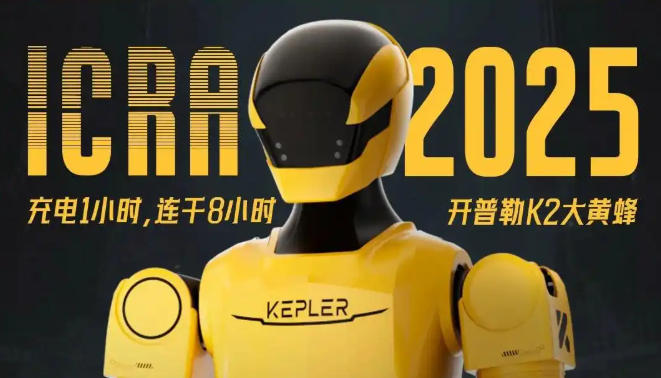
How Are Kepler Robotics’ Embodied AI Robots Shaping the Future of Intelligent Machines?
1. The Rise of Embodied AI Robots and the Evolution Toward Physical Intelligence
With the rapid development of Artificial Intelligence (AI), robotics, and intelligent automation technologies, Embodied AI Robots are becoming one of the most important directions in the global technology industry.
Unlike traditional AI systems that mainly operate in digital environments through data processing and algorithm analysis, Embodied AI combines artificial intelligence with physical robotic systems, allowing machines to perceive, understand, and interact with the real world.
The goal of Embodied Intelligence Technology is to create robots that can achieve a complete intelligent process:
Perception → Understanding → Decision-Making → Action → Learning
By integrating:
- AI Foundation Models
- Robot Vision Technology
- Sensor Fusion Systems
- Motion Control Algorithms
- Intelligent Hardware Platforms
future AI Robots can move beyond simple command execution and develop stronger capabilities in environmental understanding, autonomous planning, and flexible task completion.
This represents a major transition from “digital intelligence” to “physical intelligence.”
Traditional automation systems usually depend on predefined programs and controlled environments. However, next-generation Intelligent Robots are designed to operate in dynamic real-world scenarios, where they can analyze changing conditions and adjust their behavior.
Future Embodied AI Robots are expected to play important roles in:
- Smart Manufacturing
- Industrial Automation
- Robotics Research
- AI Education
- Commercial Services
- Smart City Applications
As the robotics industry moves toward greater intelligence and autonomy, companies such as Kepler Robotics are exploring new ways to combine AI algorithms, robotic hardware, and intelligent control systems to accelerate the development of future robotic platforms.
2. WAIC 2026 and Kepler Robotics: Showcasing Next-Generation Intelligent Robotics
The development of Embodied Intelligence Technology has become a major focus area in the global artificial intelligence ecosystem.
At the 2026 World Artificial Intelligence Conference (WAIC 2026) in Shanghai, embodied intelligence was highlighted as one of the key technology tracks alongside AI computing power, demonstrating the increasing importance of robotics in the future AI landscape.
The conference showcases innovations across the complete robotics ecosystem, including:
- Embodied AI Robots
- Humanoid Robots
- Industrial Robots
- Robot Core Components
- Dexterous Manipulation Systems
- AI Robotics Models
According to industry statistics, WAIC 2026 will feature more than 30 embodied intelligence-related hardware and software products, covering technologies from robot components to complete intelligent systems.
This trend reflects a fundamental change in robotics development.
Traditional robots mainly focus on mechanical execution, while modern AI Robots combine:
Artificial Intelligence + Robotic Hardware + Environmental Perception + Intelligent Control
to achieve more advanced capabilities.
During WAIC 2026, Kepler Robotics will showcase its K3 Bumblebee Series Robot and complete the first public physical demonstration of the Qilin Series Robot, highlighting its exploration in:
- Embodied AI Robot Development
- Intelligent robotic platforms
- Autonomous robot technologies
- Future commercial applications
Through continuous innovation in robot architecture, AI algorithms, and intelligent systems, Kepler Robotics is contributing to the transition of robotics from experimental technology toward practical deployment.

3. Kepler Robotics Product Ecosystem: Building Advanced AI Robot Platforms
Kepler Robotics focuses on the development of Embodied AI Robots, intelligent robotic systems, and next-generation automation technologies.
As robotics evolves, future machines require more than simple movement capabilities. They need comprehensive intelligence that combines perception, reasoning, and physical execution.
The next generation of AI Robots requires several core abilities:
- Understanding the surrounding environment
- Making autonomous decisions
- Performing precise movements
- Interacting naturally with humans
- Adapting to different application scenarios
To support these requirements, Kepler Robotics integrates:
- Artificial Intelligence Algorithms
- Robotic Mechanical Structures
- Intelligent Control Systems
- Multimodal Perception Technologies
- Human-Machine Interaction Solutions
The company’s approach focuses on creating flexible robotic platforms rather than single-purpose machines.
A modern Robot Development Platform provides developers, researchers, and enterprises with opportunities to explore:
- Robot algorithm development
- AI model deployment
- Autonomous operation
- Intelligent application testing
Compared with traditional automation equipment, intelligent robotic platforms offer stronger adaptability and expansion capabilities.
These systems can support applications across:
- Smart Manufacturing
- Robotics Research
- AI Education
- Commercial Intelligent Services
By building an integrated robotics ecosystem, Kepler Robotics aims to accelerate the commercialization of Embodied AI Technology and support the next stage of intelligent robotics development.
4. K3 Bumblebee Series Robot: A Flexible Platform for Embodied AI Development
The K3 Bumblebee Series Robot represents Kepler Robotics’ exploration of advanced Embodied AI Robot Platforms.
Designed for intelligent robotics development, the K3 series combines robotic hardware, AI algorithms, and control technologies to provide a flexible platform for research and practical applications.
Unlike traditional robots that mainly execute fixed instructions, the next generation of robots requires stronger capabilities in:
- Environmental perception
- Autonomous decision-making
- Adaptive operation
- Complex task execution
The K3 Bumblebee Series Robot focuses on improving:
Intelligent Perception Capability
Through advanced sensors and AI perception technologies, robots can collect information from their surroundings and better understand complex environments.
Motion Control Performance
Advanced control systems enable:
- Precise movement
- Multi-joint coordination
- Stable operation
- Flexible task execution
Open Development Capability
As a Robot Development Platform, the K3 series can support:
- Robotics research
- AI algorithm testing
- Robot learning experiments
- Intelligent application development
Multi-Scenario Adaptability
The platform can be explored in areas including:
- Smart Manufacturing Robots
- Research environments
- Robotics education
- Intelligent services
The development of the K3 Bumblebee Series Robot reflects the industry trend toward more open, flexible, and intelligent robotic systems.
5. Qilin Series Robot: Exploring Humanoid Robot Technology and Future Applications
Alongside the K3 Bumblebee Series Robot, Kepler Robotics will present the Qilin Series Robot for the first time at WAIC 2026, demonstrating its continued exploration of advanced Embodied AI Robot technologies.
The emergence of the Qilin Robot reflects a broader industry trend: robots are moving from specialized automation systems toward more flexible intelligent platforms capable of operating in complex environments.
Future Humanoid Robots and advanced intelligent machines require a combination of multiple capabilities, including:
- High-Precision Motion Control
- Environmental Perception
- Autonomous Decision-Making
- Flexible Manipulation
- Human-Robot Collaboration
By integrating mechanical design, AI algorithms, and intelligent control technologies, the Qilin Series Robot explores how robots can achieve more natural interaction and adaptive operation.
Compared with traditional robots designed for repetitive industrial tasks, next-generation AI Robots need to understand their surroundings, analyze objectives, and select appropriate actions.
The future development direction of Humanoid Robots includes:
- More human-like movement
- Better environmental understanding
- Improved task adaptability
- More natural human-machine communication
Through the combination of Embodied AI Technology, robotic hardware, and intelligent software systems, robots are expected to expand into a wider range of scenarios, including:
- Smart Factories
- Research Laboratories
- Intelligent Education
- Commercial Services
- Public Service Applications
The introduction of the Qilin Series Robot highlights the growing potential of Autonomous Robots and demonstrates how robotics companies are accelerating the transition toward intelligent physical systems.
6. Core Technologies Driving Kepler AI Robots
The development of advanced Embodied AI Robots depends on the integration of perception, intelligence, and physical execution technologies.
Unlike traditional automation systems that rely on fixed programming, future AI Robots must understand dynamic environments and make decisions independently.
The key technologies behind Kepler AI Robots include:
- Robot Vision Technology
- AI Foundation Models
- Multimodal Perception Systems
- Motion Control Systems
- Robot Learning Technology
These technologies work together to create intelligent machines capable of sensing, reasoning, and acting.
Robot Vision Technology: Enabling Robots to Understand the Environment
Robot Vision Technology is one of the fundamental capabilities that allows robots to interact with the physical world.
By combining:
- Cameras
- Depth Sensors
- 3D Perception Systems
- AI Vision Algorithms
robots can achieve:
- Object Recognition
- Spatial Understanding
- Target Detection
- Environmental Analysis
For example, in Smart Manufacturing Robots applications, vision systems allow robots to identify components, locate working positions, and complete precise operations.
In service scenarios, vision capabilities help robots detect obstacles, understand surroundings, and adjust behaviors according to real-time conditions.
Advanced Computer Vision Technology enables robots to move beyond programmed actions and develop stronger autonomous capabilities.

AI Foundation Models: Improving Robot Understanding and Decision-Making
One of the biggest differences between traditional robots and future intelligent robots is the ability to understand complex instructions.
Through AI Foundation Models, Multimodal AI, and machine learning technologies, robots can process information from multiple sources and generate intelligent responses.
These technologies allow robots to:
- Understand natural language commands
- Analyze environmental information
- Create action strategies
- Improve task performance
For example, when a user provides a command, an advanced Embodied AI Robot can combine language understanding, visual information, and motion control to complete a multi-step task.
This capability represents the evolution from simple automation toward intelligent autonomous systems.
Advanced Motion Control: Creating Flexible Robotic Actions
Movement and manipulation are essential capabilities for practical robot deployment.
Through:
- Robot Joint Systems
- Precision Actuators
- Motion Planning Algorithms
- Dynamic Balance Technologies
robots can perform complex operations such as:
- Object Grasping
- Assembly
- Transportation
- Precision Handling
Advanced Motion Control Systems allow robots to operate more accurately and safely in dynamic environments.
This technology is especially important for:
- Industrial Automation
- Collaborative Robots
- Humanoid Robots
- Intelligent Service Robots
As robot hardware and AI technologies continue to improve, intelligent machines will gain stronger abilities to perform tasks that previously required human involvement.
7. Real-World Applications of Kepler Robotics: From Smart Manufacturing to Intelligent Services
The future value of Embodied AI Robots depends on their ability to solve real-world problems.
With the development of Artificial Intelligence Robotics, intelligent machines are expanding from traditional industrial environments into broader application areas.
Kepler Robotics explores potential applications across multiple industries, including:
- Smart Manufacturing
- Industrial Automation
- Robotics Research
- AI Education
- Commercial Services
- Human-Robot Collaboration
Smart Manufacturing Robots: Transforming Industrial Automation
Manufacturing remains one of the most important fields for intelligent robot adoption.
Modern factories require flexible automation solutions that improve:
- Production efficiency
- Product quality
- Operational safety
- Manufacturing flexibility
Unlike traditional industrial robots that perform fixed procedures, future Smart Manufacturing Robots can analyze production conditions and adapt their operations.
Applications may include:
- Automated Assembly
- Quality Inspection
- Intelligent Material Handling
- Production Assistance
By combining AI Algorithms, Robot Vision Technology, and intelligent control systems, robots can support the development of next-generation smart factories.
Robotics Research and Development
Advanced robotic platforms provide important tools for universities, research institutions, and technology developers.
A flexible Robot Development Platform enables exploration of:
- AI robotics algorithms
- Autonomous navigation
- Robot learning
- Human-machine interaction
- Intelligent control
Through real robotic systems, researchers can accelerate innovation in:
- Embodied AI
- Artificial Intelligence
- Automation Technologies
- Autonomous Systems
AI Robotics Education and Talent Development
The growth of the robotics industry creates increasing demand for professionals with AI and engineering skills.
Modern Robotics Education Platforms allow students to gain practical experience in:
- Robot Programming
- AI Model Development
- Computer Vision
- Motion Control
These platforms help train future:
- Robotics Engineers
- AI Developers
- Automation Specialists
- Intelligent Manufacturing Professionals
By connecting theory with hands-on practice, robotics education becomes an important foundation for the future AI workforce.
Vzense NYX Series ToF Sensor -NYX650-NYX660

8. Future Outlook: Kepler Robotics and the Next Generation of AI Robots
The global robotics industry is entering a new stage driven by the combination of Artificial Intelligence, advanced hardware, and intelligent automation.
Future AI Robots will no longer be limited to repetitive operations. Instead, they will become intelligent systems capable of:
- Understanding environments
- Learning from experience
- Making autonomous decisions
- Collaborating with humans
- Performing complex tasks
Technologies including:
- Embodied AI Robots
- Humanoid Robots
- AI Foundation Models
- Autonomous Robot Systems
- Robot Vision Technology
will continue shaping the future of robotics.
As these technologies mature, intelligent robots are expected to expand into:
- Smart Manufacturing
- Healthcare Assistance
- Education
- Logistics
- Commercial Services
- Smart Cities
Through continuous innovation in Embodied AI Technology, Kepler Robotics is helping accelerate the development of next-generation intelligent machines.
The future of robotics will not only be about automation efficiency. It will focus on creating intelligent partners that can perceive, understand, learn, and collaborate with humans.
By connecting:
Artificial Intelligence + Robotics Hardware + Intelligent Control + Real-World Applications
Kepler Robotics is contributing to the arrival of a new era of intelligent robotics, where robots become an important bridge between digital intelligence and the physical world.




Please upload banner from store admin blog pages
Please select collection from store admin blog pages