
AUBO Robotics: The Future of Embodied AI Robots and AI Education
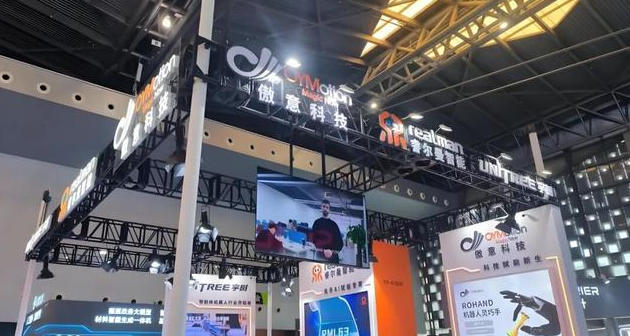
How Is AUBO Robotics Building the Future of Embodied AI Robots and AI Education?
1. The Rise of Embodied AI Robots: How AI Is Moving from Digital Intelligence to Physical Intelligence
With the rapid advancement of Artificial Intelligence (AI), robotics technology, and intelligent automation, Embodied AI Robots are becoming one of the most important development directions in the global technology industry.
Unlike traditional AI systems that mainly exist in digital environments, Embodied AI combines intelligent algorithms with physical robotic systems, allowing machines to perceive the surrounding environment, understand tasks, make decisions, and perform actions in the real world.
By integrating:
- AI Algorithms
- Robot Hardware Systems
- Robot Vision Technology
- Sensor Fusion Technology
- Motion Control Systems
- Autonomous Decision-Making
modern intelligent robots can achieve a complete operation process:
Perception → Understanding → Decision → Action → Learning
This capability enables robots to move beyond traditional automation equipment that only executes fixed commands.
Future AI Robots will be able to:
- Recognize objects and environments
- Understand human instructions
- Adapt to changing conditions
- Learn from real-world data
- Complete complex physical tasks
The development of Embodied AI Technology represents a major transformation from digital intelligence toward physical intelligence, where AI systems gain the ability to interact with the real world.
Today, AI Robots, Humanoid Robots, Collaborative Robots, and autonomous intelligent systems are expanding into industries such as:
- Smart Manufacturing
- Robotics Education
- Scientific Research
- Healthcare Assistance
- Logistics Automation
- Intelligent Services
As the robotics industry enters a new stage, AUBO Robotics is exploring how intelligent robot platforms and education ecosystems can accelerate the development of next-generation robotics technologies.
2. WAIC 2026 and the Global Growth of Embodied Intelligence Technology
The global AI industry is entering a new phase where artificial intelligence is moving from software-based applications into physical environments.
At the 2026 World Artificial Intelligence Conference (WAIC 2026), Embodied Intelligence was highlighted as one of the major technology directions alongside AI computing power.
The conference attracted global companies, researchers, and developers showcasing innovations in:
- Embodied AI Robots
- Humanoid Robots
- Industrial Robotics
- Robot Components
- Dexterous Manipulation Systems
- AI Foundation Models
The rise of Embodied Intelligence Technology demonstrates that the future of AI will not only depend on data processing capabilities but also on the ability of machines to interact with the physical world.
Traditional AI systems focus mainly on:
- Data analysis
- Content generation
- Information processing
However, embodied AI combines intelligence with robotic bodies, enabling machines to:
- Sense environments
- Understand physical conditions
- Plan actions
- Execute tasks independently
This combination of:
AI Brain + Robotic Body + Environmental Perception + Intelligent Control
is becoming the foundation of the next generation of intelligent machines.
With the development of AI Foundation Models, advanced sensors, and robotics platforms, embodied intelligence is expected to create new opportunities in manufacturing, education, research, and smart services.

3. What Is AUBO Robotics and How Is It Building Intelligent Robot Platforms?
AUBO Robotics is a technology company focused on intelligent robotic systems, collaborative robots, and open robot development platforms.
As robotics moves toward higher levels of intelligence, robots require more than mechanical movement. They need integrated capabilities including:
- Precise motion control
- Intelligent perception
- AI algorithm deployment
- Human-machine interaction
- Flexible application development
Through advanced robotic platforms, AUBO Robotics supports enterprises, universities, and research institutions in exploring the future of intelligent automation.
Unlike traditional industrial robots designed for fixed and repetitive tasks, modern intelligent robots require greater adaptability and flexibility.
AUBO Robot platforms support applications including:
- Collaborative Robots
- Smart Manufacturing Robots
- Robotics Research
- AI Development
- Robotics Education
By providing an open Robot Development Platform, AUBO Robotics enables developers to study complete robotic systems, from hardware architecture and control technology to AI application deployment.
This open ecosystem reflects the future trend of robotics:
Robots are evolving from single-purpose machines into intelligent platforms that combine:
- Mechanical Structures
- AI Software
- Intelligent Control
- Real-World Applications
4. AUBO Robotics Embodied AI Education Ecosystem: Building Future Robotics Talent
As the demand for AI professionals continues to grow, Robotics Education has become an important foundation for future technology development.
The next generation of engineers needs more than theoretical knowledge of artificial intelligence. They must understand how complete robotic systems work, including:
- Robot hardware design
- Sensor integration
- Motion control
- Computer vision
- AI model training
- Intelligent application development
To address these needs, AUBO Robotics has developed an Embodied AI Education Product Matrix that connects robotics learning with practical engineering experience.
The education ecosystem provides a complete learning pathway:
Robot Hardware → Algorithm Development → Data Training → Application Practice
Through this approach, students and researchers can experience the complete workflow of developing intelligent robots.
The platform allows learners to explore:
Robot Hardware Training
Students can understand:
- Robotic structures
- Joint systems
- Control components
- Mechanical design principles
AI Algorithm Development
Learners can study:
- Machine Learning
- Deep Learning
- Computer Vision
- Intelligent Decision Systems
Real-World Robot Applications
Students can apply technologies in:
- Smart Manufacturing
- Research Laboratories
- Educational Training
- Automation Projects
This practical approach helps cultivate future:
- Robotics Engineers
- AI Developers
- Automation Specialists
- Embodied AI Researchers
5. How AI Robot Education Platforms Combine Hardware, Algorithms, and Intelligent Control
Modern robotics education requires a complete understanding of both software intelligence and physical systems.
A professional AI Robot Education Platform should not only teach programming but also allow learners to understand:
- Robot structures
- Sensor systems
- AI models
- Motion planning
- Control algorithms
- Data processing
The development of intelligent robots depends on the combination of multiple technologies.
For example, when an AI robot performs a task, it must:
- Collect environmental information through sensors
- Analyze information using AI algorithms
- Plan actions through intelligent decision systems
- Execute movements through robotic control systems
This process demonstrates the core concept of Embodied AI Robots.
Through open development environments, AUBO Robotics helps universities and developers explore technologies including:
- Robot Programming
- AI Model Deployment
- Motion Control
- Intelligent Automation
By connecting education and practical applications, Robotics Education Platforms help reduce the gap between academic learning and industrial requirements.
6. Core Technologies Behind Embodied AI Robots: Vision, Learning, and Autonomous Decision-Making
The development of Embodied AI Robots requires the combination of multiple advanced technologies, including perception, learning, reasoning, and physical control.
Unlike traditional automation systems that operate through fixed instructions, next-generation AI Robots need the ability to understand environments, adapt to changes, and make intelligent decisions.
The key technologies behind modern embodied intelligence include:
- Robot Vision Technology
- Sensor Fusion Systems
- AI Foundation Models
- Machine Learning Algorithms
- Robot Learning Technology
- Intelligent Motion Control
Together, these technologies create a complete intelligent system that allows robots to move from simple execution devices into adaptive machines.
Robot Vision Technology: Enabling Robots to Understand the World
Visual perception is one of the most important capabilities for intelligent robots.
Through cameras, depth sensors, and AI-based recognition systems, robots can collect environmental information and understand objects, people, and surrounding conditions.
Advanced Robot Vision Technology enables robots to perform:
- Object Recognition
- Scene Understanding
- Target Positioning
- Environment Analysis
- Precision Manipulation
For example, in smart manufacturing environments, robots can identify components, locate working areas, and perform accurate assembly operations.
In robotics education and research, vision systems allow students to explore technologies such as:
- Computer Vision
- Deep Learning
- Image Processing
- AI Recognition Models
By improving perception capabilities, robots can become more flexible and capable of operating in complex real-world environments.
AI Foundation Models and Robot Learning: Making Robots More Intelligent
A major difference between traditional robots and future intelligent robots is their ability to learn and adapt.
Traditional robots usually depend on manually programmed instructions, while modern AI Robots can use AI Foundation Models and machine learning technologies to better understand tasks.
By combining:
- Large AI Models
- Multimodal AI
- Natural Language Understanding
- Reinforcement Learning
- Intelligent Control Algorithms
robots can:
- Understand human commands
- Analyze environmental information
- Generate action plans
- Improve performance through learning
For example, a future intelligent robot may receive a natural language instruction such as:
“Inspect this area and identify potential problems.”
The robot can then:
- Understand the objective
- Analyze the environment
- Plan the required actions
- Complete the task
- Provide feedback
This intelligent workflow represents the evolution from automated machines to adaptive robotic systems.

7. AUBO Robotics Applications: From Smart Manufacturing to Real-World AI Solutions
The true value of intelligent robotics comes from practical applications.
With the development of Embodied AI Technology, robots are expanding beyond traditional factories and entering more diverse environments.
AUBO Robotics platforms support multiple application scenarios, including:
- Smart Manufacturing Robots
- Collaborative Robots
- Industrial Automation
- Robotics Research
- AI Education Systems
Smart Manufacturing Robots: Improving Industrial Efficiency
Manufacturing is one of the most important fields for intelligent robot adoption.
Modern factories require flexible automation systems that can improve:
- Production efficiency
- Product consistency
- Operational safety
- Manufacturing flexibility
Compared with traditional industrial robots, Collaborative Robots can work more closely with humans and adapt to changing production requirements.
Potential applications include:
- Assembly Tasks
- Material Handling
- Quality Inspection
- Precision Manufacturing
- Production Assistance
Through intelligent control systems and AI integration, robots can help manufacturers achieve higher levels of automation.
Robotics Research and AI Development
Research institutions require flexible robotic platforms to explore future technologies.
An open Robot Development Platform allows researchers to investigate:
- Robot Control Algorithms
- AI Model Deployment
- Human-Robot Interaction
- Autonomous Systems
- Intelligent Manipulation
These platforms provide valuable environments for testing new ideas in robotics and artificial intelligence.
AI Robotics Education Applications
In education scenarios, robots become practical tools for teaching advanced technologies.
Students can directly explore:
- Robot Programming
- AI Algorithms
- Vision Systems
- Motion Control
- Intelligent Applications
This hands-on approach helps develop professionals who understand both AI theory and robotic engineering.
8. Human-Robot Collaboration: The Future of Intelligent Automation
The future of robotics will not simply replace humans with machines.
Instead, the next stage of automation will focus on Human-Robot Collaboration, where humans and intelligent robots work together to achieve higher efficiency.
Traditional automation systems often operate independently from people because of safety and flexibility limitations.
However, modern Collaborative Robots are designed to work safely in shared environments.
Through:
- Intelligent Sensors
- AI Perception
- Safety Control Systems
- Flexible Motion Planning
robots can support humans in completing complex tasks.
Future collaboration scenarios include:
Smart Manufacturing
Robots assist workers with repetitive, dangerous, or highly precise operations.
Research Laboratories
Robots support experiments, testing, and data collection.
Education
Students interact with robots to understand artificial intelligence and robotics.
Intelligent Services
Robots assist with various service-related tasks.
This future working model can be summarized as:
Humans provide creativity and decision-making, while robots provide precision and efficiency.
As Embodied AI Robots continue developing, human-robot collaboration will become a key direction for intelligent automation.
IHaw Structured Light Camera P050 0.50M

9. Future Outlook: AUBO Robotics and the Next Generation of AI Robots
The global robotics industry is entering a new era driven by artificial intelligence, robotics innovation, and intelligent automation.
Future AI Robots will no longer be limited to performing repetitive tasks.
Instead, they will become intelligent partners capable of:
- Understanding environments
- Learning from experience
- Making autonomous decisions
- Interacting with humans
- Performing complex operations
Technologies such as:
- Embodied AI
- AI Foundation Models
- Robot Vision Technology
- Autonomous Navigation
- Intelligent Control Systems
will continue improving robot capabilities.
In the future, Humanoid Robots, Collaborative Robots, and intelligent service robots are expected to expand into industries including:
- Smart Manufacturing
- Healthcare
- Education
- Logistics
- Scientific Research
- Public Services
Through the development of intelligent robot platforms and Robotics Education ecosystems, AUBO Robotics is helping accelerate the transition from traditional automation toward intelligent robotic systems.
By connecting:
AI Technology + Robot Platforms + Education + Industrial Applications
AUBO Robotics contributes to building a stronger global ecosystem for embodied intelligence.
The future of artificial intelligence will not exist only in digital environments. Through Embodied AI Robots, AI will increasingly enter the physical world, enabling machines to perceive, learn, interact, and collaborate with humans.
As robotics technology continues to evolve, embodied intelligence will become a critical bridge between digital intelligence and real-world applications, shaping the future of intelligent robots.





Please upload banner from store admin blog pages
Please select collection from store admin blog pages