
Qiyuan T1: Future of Transformable AI Robots & Embodied Intelligence
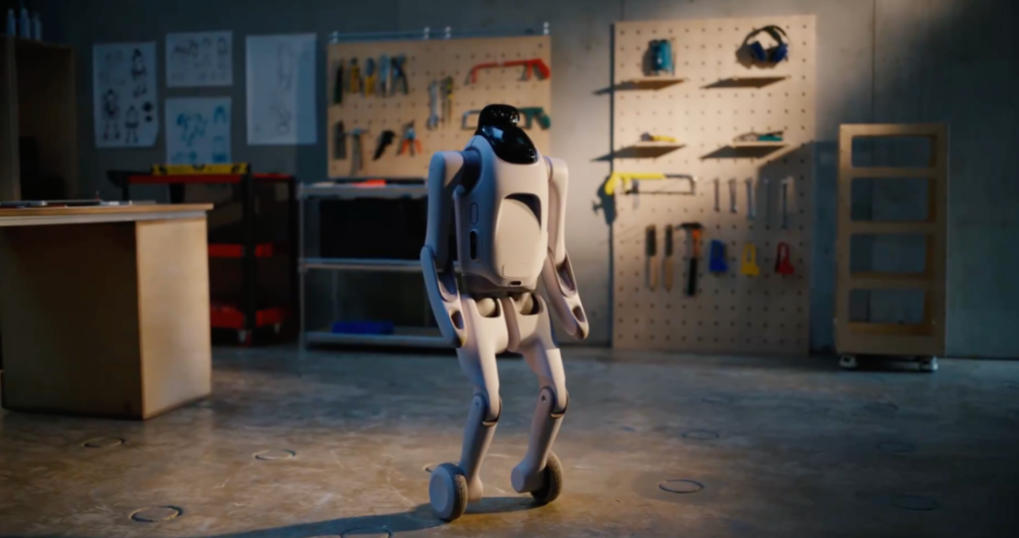
What Is Qiyuan T1 and How Is This Transformable AI Robot Changing the Future of Robotics?
Introduction: The Rise of Qiyuan T1 and the New Era of Embodied AI Robots
With the rapid advancement of artificial intelligence, robotics technology, foundation AI models, and smart manufacturing systems, Embodied AI robots are becoming one of the most important trends shaping the future of the global technology industry.
Unlike traditional AI systems that mainly operate in digital environments, embodied intelligence allows robots to perceive, understand, interact with, and respond to the physical world. By combining AI algorithms, advanced sensors, robotic control systems, and autonomous mobility technologies, next-generation robots are evolving from simple automation machines into intelligent systems capable of performing complex real-world tasks.
As the demand for AI-powered robots, humanoid robots, autonomous mobile robots, and general-purpose robots continues to grow, researchers and companies are exploring new robotic architectures that can adapt to different environments.
From July 17 to 20, 2026, the 2026 World Artificial Intelligence Conference (WAIC 2026) will be held in Shanghai. For the first time, embodied intelligence will become one of the two major core technology tracks alongside AI computing power, highlighting the increasing importance of AI robotics and intelligent machines.
The event is expected to attract hundreds of technology companies and showcase the latest developments in:
- AI robots
- Humanoid robots
- Industrial robots
- Quadruped robots
- Robotic components
- Embodied AI systems
According to industry information, WAIC 2026 Hall H3 will present numerous new embodied intelligence products covering robot hardware, AI models, intelligent control systems, robotic hands, and autonomous machines.
As a company focusing on advanced materials and intelligent robotics, Swancor Advanced Materials will introduce Qiyuan T1, a transformable personal robot designed to explore the future possibilities of intelligent robotic assistants.
Unlike traditional robots with fixed structures, Qiyuan T1 can automatically switch between:
- Wheeled humanoid robot mode
- Quadruped robot mode
This innovative transformation capability allows the robot to operate in different environments, including smart homes, commercial spaces, outdoor exploration areas, and professional service scenarios.

What Is the Swancor Advanced Materials Robot? Exploring the Next Generation of Personal AI Robots
The Swancor Advanced Materials Robot represents a new generation of intelligent robotic systems designed for future smart living and commercial applications.
By integrating robotic mechanical design, artificial intelligence technology, intelligent sensing systems, and motion control algorithms, Swancor Advanced Materials is developing solutions that could redefine how humans interact with robots.
Future robots will require more than simple task execution.
They need:
- Environmental perception
- Autonomous decision-making
- Flexible movement
- Human-robot interaction
- Adaptive learning capabilities
Traditional mobile robots are often limited by their physical structures.
For example:
Wheeled robots provide high efficiency and fast movement on flat surfaces but struggle with stairs, uneven terrain, and complex outdoor environments.
Quadruped robots offer excellent mobility and obstacle-crossing ability but may have limitations in indoor applications and human interaction.
The Qiyuan T1 transformable AI robot combines the advantages of both designs through adaptive transformation technology.
By switching between different movement modes, the robot provides a more flexible solution for future:
- Personal AI assistant robots
- Smart home robots
- Intelligent service robots
- Autonomous inspection robots
- General-purpose robotic platforms
Qiyuan T1 Global Debut: The World’s First Transformable Personal Robot
At the 2026 World Artificial Intelligence Conference (WAIC 2026), Swancor Advanced Materials will showcase the innovative Qiyuan T1 transformable personal robot.
The biggest feature of Qiyuan T1 is its ability to automatically change its robotic form according to different environments.
The robot can transform between:
Wheeled Humanoid Robot Mode
Designed for:
- Indoor mobility
- Smart home assistance
- Office environments
- Commercial services
- Human-robot interaction
- Intelligent photography
Quadruped Robot Mode
Designed for:
- Outdoor exploration
- Complex terrain navigation
- Industrial inspection
- Emergency environments
- Autonomous operations
This transformable design represents a new direction for future robotics development.
Instead of creating separate robots for different environments, transformable robots provide a more efficient approach by combining multiple capabilities into a single intelligent platform.

With the rapid development of AI robotics technology and embodied intelligence systems, transformable robots like Qiyuan T1 are expected to become an important part of future intelligent ecosystems. Unlike traditional robots designed for a single function, adaptive robots can respond to changing environments and perform multiple tasks through flexible movement systems and intelligent control.
This approach represents a major shift from task-specific robots to general-purpose AI robots. By combining humanoid interaction capabilities with quadruped mobility advantages, Qiyuan T1 provides a new concept for the development of future personal robots, service robots, and autonomous robotic assistants.
SLAMTEC RPLIDAR S3 40M LiDAR Sensor for Robot Navigation & Avoidance

The development of Qiyuan T1 also reflects the growing trend of integrating artificial intelligence, robotics hardware, and advanced sensing technologies. As AI models become more powerful and robotic systems become more intelligent, future robots will not only execute commands but also understand environments, analyze situations, and make independent decisions.
Through technologies such as computer vision, intelligent navigation, motion control, and AI-based perception, transformable robots could expand into more application areas, including smart homes, commercial services, industrial automation, and outdoor exploration. Qiyuan T1 demonstrates how the next generation of AI robots may become more adaptive, versatile, and closely connected with human life.





Please upload banner from store admin blog pages