NEWS

Laser Distance Sensors: Key Tech for Industrial Automation & Robotics
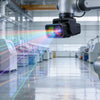
How Does a Laser Triangulation Sensor Improve Industrial Automation and Robotics? With the rapid development of industrial automation, smart manufacturing, and robotics, the laser distance sensor (laser sensor) has become a core component in modern sensing systems. Compared with traditional ultrasonic or infrared measurement technologies, laser sensors offer higher accuracy, longer measuring range, and stronger environmental adaptability. They are widely used in industrial control, robotics navigation, warehouse logistics, and...

Why TOF Cameras Are a Must-Have in High-End Smartphones in 2026
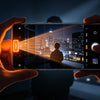
What Is a TOF Camera and Why Should Your Next Smartphone Have One? As smartphone photography technology continues to advance, TOF (Time-of-Flight) cameras are gradually becoming a standard feature in high-end models. According to recent data, an increasing number of flagship smartphones are now equipped with the best TOF camera, providing users with more precise depth sensing and exceptional photography experiences. For users seeking professional photography, AR applications, and...

What Is a ToF Sensor? How dToF Works and Why Robots Use It
What Is a ToF Sensing and Why Is dToF Becoming Essential for Modern Robots? With the rapid growth of robotics, drones, autonomous vehicles, industrial automation, and Physical AI, the Time-of-Flight (ToF) sensor has become one of the most important technologies in the field of 3D vision. From Autonomous Mobile Robots (AMRs) and AGV navigation systems to industrial safety monitoring, drone altitude measurement, smart access control, and people-counting systems, more industries...

RGBD Depth Camera: Complete 3D Vision Solution for Robotics & AR/VR
How Does a Depth Camera for Robotics Improve 3D Vision and Intelligent Automation? With the rapid growth of AI vision technology and 3D perception requirements, RGBD depth cameras have become core sensing devices in fields such as robotics, autonomous driving, AR/VR, intelligent security, and industrial inspection. RGBD means simultaneously capturing RGB color images and depth information, fusing these data streams to give machines human-like 3D spatial perception, enabling more...


Please upload banner from store admin blog pages