
Tesla Robotaxi (Cybercab): The Driver‑less Ride‑Hailing Future Arrives
Tesla Robotaxi (Cybercab): The Driver‑less Ride‑Hailing Future Arrives
For more than a decade, autonomous ride‑hailing has existed mostly as a futuristic concept. Now Tesla is turning that vision into real‑world service with Cybercab, its purpose‑built Robotaxi, now live in limited zones across Austin, Texas.

Unlike most robotaxi competitors that modify existing consumer cars, the Cybercab is built ground‑up for full, unsupervised autonomy. There is no steering wheel, no accelerator pedal and no brake pedal inside the two‑passenger cabin. Every driving decision is handled by Tesla’s end‑to‑end Full Self‑Driving (FSD) vision‑only system, relying entirely on onboard cameras, without LiDAR or high‑definition pre‑mapped roadsChina.org.....
What makes Cybercab different
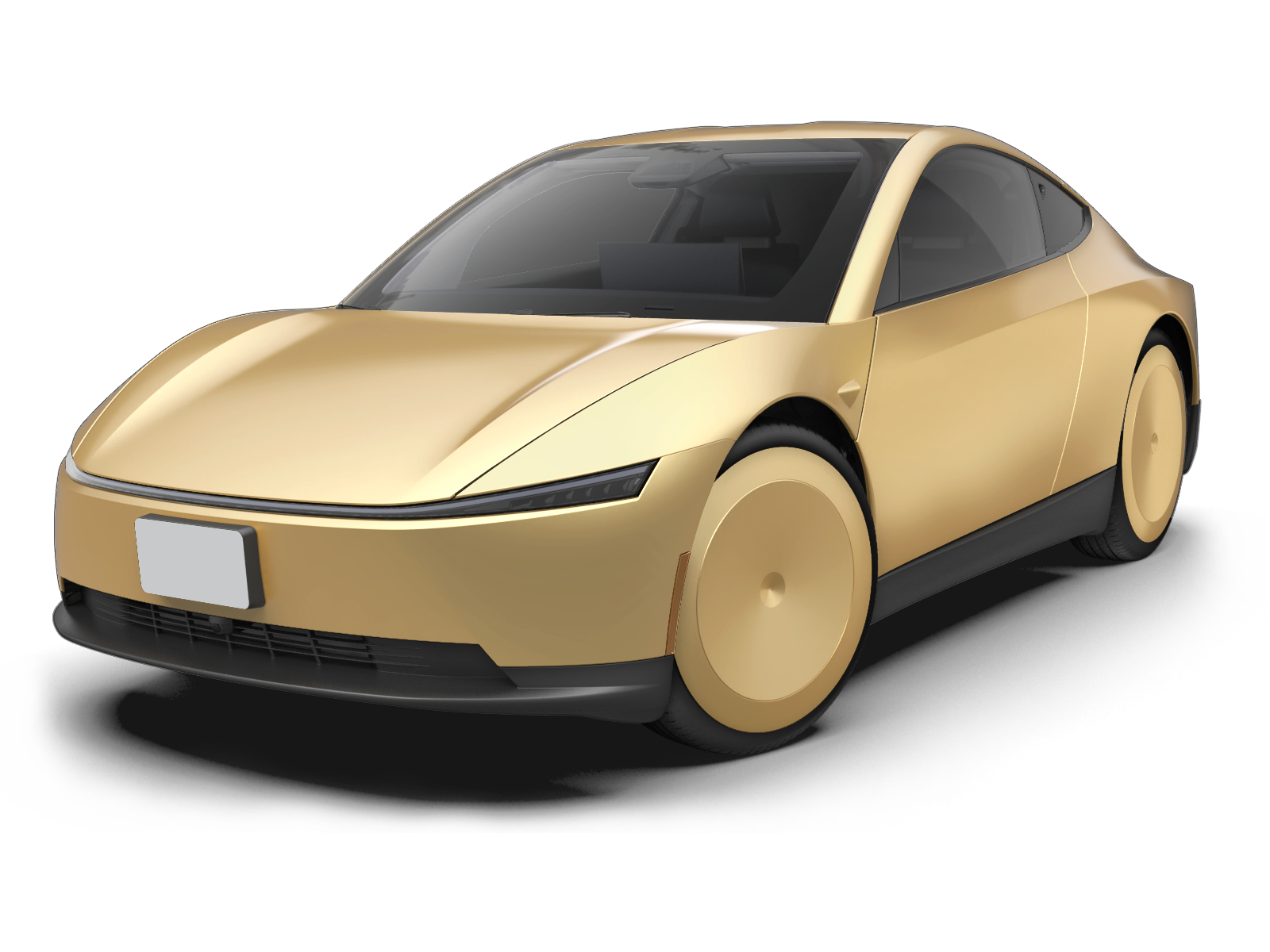
Visually, the golden‑finished two‑door vehicle stands out on city streets. It uses butterfly‑style doors for easy passenger entry and exit. Inside, the cabin is simplified: two seats, one large central touchscreen for passengers to adjust climate, view trip status, and an emergency physical stop button. If a rider presses the stop button, the vehicle safely pulls over to the roadside and connects passengers to remote Tesla support staff.
Key technical highlights:
- Pure‑camera‑based FSD perception stack
- 4680 structural battery pack, wireless inductive charging (no physical charging port)
- 48‑volt low‑voltage vehicle architecture
- Integrated Starlink satellite antenna for backup connectivity in weak cellular signal areas
- Optimized for high‑duty‑cycle fleet operation, designed to run almost non‑stop for ride‑hailing services
Tesla’s core argument is about economics. Human‑driven taxis and ride‑share services carry heavy labour costs. The company targets an operating cost near $0.20 per mile for the Cybercab fleet, drastically cheaper than traditional ride‑hailing options. The goal is to make robotaxi trips cheaper than public transit tickets in the long‑term future.
Real‑world service status in 2026
Right now, Tesla Robotaxi service operates within restricted Austin geographic boundaries. Riders book trips via the dedicated Tesla Robotaxi mobile app. The platform dispatches either the new Cybercab or modified Model Y robotaxi units according to passenger count and vehicle availabilityChina.org.....
Commercial purchase orders for Cybercab are open for fleet operators, though Tesla has not published final retail pricing and full roll‑out timelines for other U.S. or international cities.
Challenges ahead
The launch is a major milestone, yet large‑scale global deployment still faces real hurdles.
Regulatory approval remains piece‑by‑piece across different states and countries. Safety validation in complex urban edge cases — bad weather, chaotic traffic, construction zones — will need millions more real‑world driving miles. Public trust is another big variable: many riders are still getting comfortable with riding inside a car with no human driver behind any controls.
Compared to rivals such as Waymo, Tesla takes the controversial vision‑only path, betting massive real‑world training data from millions of Tesla cars will compensate for the absence of LiDAR sensors.


:%20The%20Driver%E2%80%91less%20Ride%E2%80%91Hailing%20Future%20Arrives)
Please upload banner from store admin blog pages